

Why Some Bodies Struggle With Healthy Foods: A Deeper Look at Lectin Sensitivity
 Written By: Dr Will Cole
Evidence-Based Reviewed Article
Written By: Dr Will Cole
Evidence-Based Reviewed Article
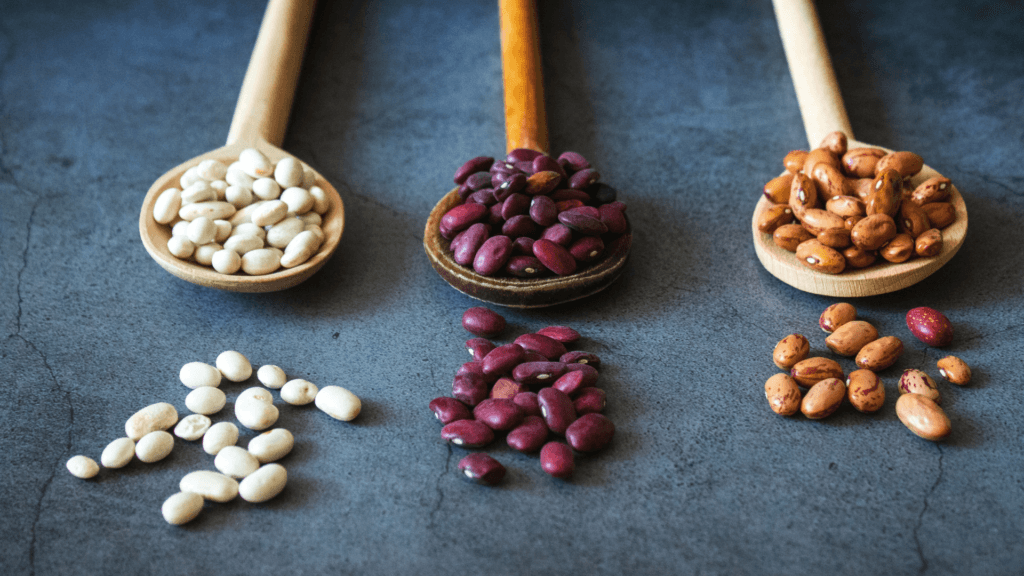
If you’ve spent much time in the world of health, wellness, and nutrition, you’ve probably come across a bold statement or two about certain plant foods being harmful because of lectins.
There is definitely a conversation to be had about lectins. But it’s not nearly as black and white as most of the debates on social media make it seem.
And I get a lot of questions from people who are (understandably) confused about lectins, so I wanted to provide a balanced, nuanced perspective on lectin sensitivity, what it is, who may be more susceptible to it, how to know, and what to do.
What Are Lectins?
Let’s start by getting clear on what we’re even talking about here! Lectins are a type of carbohydrate-binding protein found in certain plant foods. Their role within plants is protective, helping them defend themselves against microorganisms, insects, and pests, and keeping their seeds intact and viable even after passing through an animal’s digestive system.
When we eat plants that contain lectins, the lectins resist digestion and generally pass through our systems unchanged.
Most people can eat lectin-containing foods at least in moderation without issue. But, as we’ll explore in more detail below, they can be problematic for those with digestive imbalances, autoimmunity, and/or leaky gut.
Lectins are also considered “antinutrients”, because they can interfere with our absorption of certain nutrients including zinc and phosphorus.
However, some kinds of lectins can also provide health benefits, and many lectin-containing foods are also great sources of nutrients, fiber, and antioxidants, and can help stabilize blood sugar and regulate immune system function.
High lectin foods include:
- Raw beans and legumes including kidney beans, chickpeas, soybeans, and lentils
- Gluten-containing grains (gluten itself is a lectin) and gluten-free grains including wheat, rye, oats, quinoa, rice, barley, and buckwheat
- Raw kale, raw spinach
- Nuts and seeds including peanuts, almonds, pumpkin seeds, sunflower seeds, and cashews
- Corn
- Peels and seeds of cucumbers, tomatoes, bell peppers
- Eggplant
- Unpeeled white potatoes
Understanding Lectin Sensitivity
Most people don’t need to be concerned about lectins. However, research has shown that lectins can be harmful for certain people.
Lectins have been shown to trigger inflammation by acting as a “danger signal” that can activate the NLRP3 inflammasome. (1) They can irritate the gut lining, contributing to or exacerbating increased intestinal permeability (leaky gut), and can cause increased inflammation and distress for those with autoimmune conditions including Crohn’s disease and rheumatoid arthritis. (2 – 4)
As I mentioned earlier, humans can’t digest lectins, which means they generally pass through the digestive system intact. But if someone is experiencing increased intestinal permeability, lectins can escape into the bloodstream, triggering an immune system response and inflammatory cascade.
Lectins can also trigger mast cell activation as part of this inflammatory cascade, and may be problematic for some individuals with mast cell activation syndrome (MCAS), histamine intolerance, allergies, and food sensitivities. (5, 6)
Some people also have genetic variants that have been associated with increased lectin sensitivity. This includes variants of the CNR1 gene, which affects gut health and inflammation, and the MTHFR gene, which influences our detoxification abilities. (7, 8)
READ MORE: MTHFR Gene: All About The Genetic Mutation That Affects 40% Of The World – Dr. Will Cole
Most of us do produce antibodies in response to at least some lectins, and these antibodies help protect us from their potentially harmful effects. But if we’re in a state of chronic inflammation and immune system reactivity, this reaction can become excessive, triggering or worsening symptoms.
Symptoms of lectin sensitivity vary and may include:
- Bloating, gas, diarrhea, constipation, or other digestive problems (9)
- Stomachaches, fatigue, and/or brain fog after eating
- Joint pain
- Skin rashes or eczema
- Insomnia or sleep disruptions
- Anxiety
The Importance of Nuance In the Lectin Conversation
As with so many public conversations about dietary patterns and food choices, so much context is lost in a sea of hyperbole and exaggerated marketing.
Our responses to food differ based on several bioindividual factors. What’s healthy for one person can be harmful for another, and vice versa. And I worry that when people are exposed to over-the-top statements about lectins and lectin-containing plant foods being poison for everyone, it can lead to the assumption that there’s no truth around the potential harms of lectins.
Of course, the reality is somewhere in the middle, and we need to find the nuance. There is legitimate research showing that lectins can be an issue for some people. But not for all people. That’s why I never recommend one single way of eating for absolutely everyone. This way of thinking is never helpful and can cause people to miss what’s most important for their own bodies.
How To Know If You Have a Lectin Sensitivity
So, if lectins are problematic for some people but not everyone, how do you know which category you fall into?
There are a few different ways you can investigate.
Consider Your Symptoms and Risk Factors
Symptoms of lectin sensitivity are non-specific (meaning they can be symptoms of many different kinds of conditions), but when combined with other clues, such as known risk factors like autoimmune disease or leaky gut, they can help point to a potential problem. Also, if you eat high-lectin foods and you haven’t been experiencing any symptoms, you likely don’t need to worry about lectins!
Your gut is too important to your overall health to be ignored.
Gut Health Guide

Try a Lectin-Specific Elimination Diet
Elimination diets are often the best way to identify food sensitivities and triggers. If you’re concerned about lectins specifically, try following an elimination diet built around a low-lectin diet framework: eliminate all lectins for a period of time (at least one month, longer if you’ve been symptomatic for a while). Gradually begin reintroducing lectin-containing foods, monitoring your symptoms.
Test For Immune-Mediated Sensitivities to Lectin-Containing Foods
There are IgG and IgA food sensitivity tests available that specifically analyze your immune system reactions to high-lectin foods. These are simple blood tests that can provide valuable information about your digestive and immune systems. If multiple lectin-containing foods are shown to be reactive, this is a good sign that you’re dealing with an underlying problem that’s triggering reactivity.
Consider DNA Testing Or Analyze a Past Test
A DNA test can’t tell you for certain that lectins are problematic for you, but it can show you if you have variants in genes that may predispose you to a lectin sensitivity. I would always consider this information in combination with other available information related to symptoms, risk factors, other test results, and/or elimination diet results. In other words, I wouldn’t use the presence of a genetic variant alone to guide a long-term low-lectin diet.
What To Do If You Have a Lectin Sensitivity
If you do find or suspect that you have a sensitivity to lectins, there are several things you can do to reduce symptoms and reactivity, and heal underlying issues.
Try a Low-Lectin Diet
Whether or not you’ve already done a lectin-specific elimination diet, you can try cutting back on lectins, especially while working on healing any underlying imbalances or conditions that may be triggering your reactivity.
Depending on your individual case, this doesn’t necessarily have to be an all-or-nothing approach—some people find they feel their best on a completely lectin-free diet, while others do just as well by simply reducing lectins by, say, 25 or 50%.
It’s also important to know that you won’t necessarily need to eliminate lectins forever. I always recommend revisiting dietary restrictions throughout your healing journey. You may start to find that you can tolerate things you couldn’t previously.
Consider Food Preparation Methods
The lectin content of many foods can be significantly reduced through food preparation methods including rinsing, soaking, sprouting, fermenting, and pressure-cooking. (10) While methods vary depending on the food, here are a few general tips:
- Soak beans and grains for 4-8 hours or overnight and rinse before cooking
- Sprout legumes, grains, or seeds
- Peel lectin-rich vegetables including tomatoes, peppers, cucumbers, and white potatoes (can also de-seed if applicable)
- Soak and boil or pressure-cook dried beans
- Ferment legumes or grains
These methods deactivate and destroy many kinds of lectins, but not all of them.
Address Underlying Gut and Immune System Issues
It’s so important to always address the underlying cause of immune system reactivity to foods. Underlying causes of lectin sensitivity often include or relate to autoimmunity, gut dysbiosis, leaky gut, and inflammation. I recommend working with a functional medicine practitioner to help identify and address any imbalances at the root of your sensitivities.
Consider Other Food Compounds
If a low lectin (or lectin-free) diet helps, but you still feel like there’s a missing link, it may be worth investigating other food compounds that can trigger similar issues. These may include histamines, salicylates, and/or oxalates.
Keep in mind that when we look at compounds in healthy foods that trigger problems, we’re almost always talking about an underlying imbalance or condition that needs to be addressed. The same kinds of underlying states that can lead to lectin sensitivities can also lead to other sensitivities. And again, once the root cause is addressed, most people are able to expand their diets again.
Respecting Bioindividuality When Talking About Food
Not to sound like a broken record, but I can’t stress enough how important it is to consider bioindividuality and context when it comes to food. There is no diet that’s perfect for all people across the board, and there’s no simple, one-size-fits-all answer when it comes to lectins. By listening to your body and letting your unique health profile factors guide your choices, you’ll be able to make the decisions that are really best for you.
For guidance on personalizing your eating plan and improving your health, you can reach out to book a consultation with our functional medicine telehealth team.
As one of the first functional medicine telehealth clinics in the world, we provide webcam health consultations for people around the globe.
Photo: Unsplash.com
Sources
- Gong, T., Wang, X., Yang, Y., Yan, Y., Yu, C., Zhou, R., & Jiang, W. (2017). Plant lectins activate the NLRP3 inflammasome to promote inflammatory disorders. The Journal of Immunology, 198(5), 2082-2092.
- Freed, D. L. (1999). Do dietary lectins cause disease?: The evidence is suggestive—and raises interesting possibilities for treatment. Bmj, 318(7190), 1023-1024.
- Vojdani, A., Afar, D., & Vojdani, E. (2020). Reaction of Lectin‐Specific Antibody With Human Tissue: Possible Contributions to Autoimmunity. Journal of immunology research, 2020(1), 1438957.
- Cordain, L., Toohey, L., Smith, M. J., & Hickey, M. S. (2000). Modulation of immune function by dietary lectins in rheumatoid arthritis. British Journal of Nutrition, 83(3), 207-217.
- Pramod, S. N., Venkatesh, Y. P., & Mahesh, P. A. (2007). Potato lectin activates basophils and mast cells of atopic subjects by its interaction with core chitobiose of cell-bound non-specific immunoglobulin E. Clinical & Experimental Immunology, 148(3), 391-401.
- Barre, A., Damme, E. J. V., Simplicien, M., Benoist, H., & Rougé, P. (2020). Are dietary lectins relevant allergens in plant food allergy?. Foods, 9(12), 1724.
- Dinu, I. R., Popa, S. G., Moţa, M. A. R. I. A., Moţa, E., Stănciulescu, C., Ioana, M., & Cruce, M. (2011). The association of the rs1049353 polymorphism of the CNR1 gene with hypoadiponectinemia. Rom J Morphol Embryol, 52(3), 791-5.
- Schwahn, B. C., & Rozen, R. (2013). Methylenetetrahydrofolate reductase polymorphisms: pharmacogenetic effects. Madame Curie Bioscience Database [Internet].
- Lucius, K. (2020). Dietary lectins: Gastrointestinal and immune effects. Alternative and Complementary Therapies, 26(4), 168-174.
- EFSA CONTAM Panel (EFSA Panel on Contaminants in the Food Chain), Knutsen, H. K., Åkesson, A., Bampidis, V., Bignami, M., Bodin, L., Chipman, J. K., Degen, G., Hernández-Jerez, A., Hofer, T., Hogstrand, C., Landi, S., Leblanc, J.-C., Machera, K., Oswald, I. P., Rychen, G., Sand, S., Vejdovszky, K., Viviani, B., … Ntzani, E. (2026). Risks for human health related to the presence of plant lectins in food. EFSA Journal, 24(1), e9850.
The information on this website has not been evaluated by the Food & Drug Administration or any other medical body. We do not aim to diagnose, treat, cure or prevent any illness or disease. Information is shared for educational purposes only. You must consult your doctor before acting on any content on this website, especially if you are pregnant, nursing, taking medication, or have a medical condition.
Our content may include products that have been independently chosen and recommended by Dr. Will Cole and our editors. If you purchase something mentioned in this article, we may earn a small commission.
Start Your Health Journey Today
FUNCTIONAL MEDICINE CONSULTATIONS FOR PEOPLE AROUND THE WORLD
