

Your Guide To the Best Diet For Healthy Bowel Movements
 Written By: Dr Will Cole
Evidence-Based Reviewed Article
Written By: Dr Will Cole
Evidence-Based Reviewed Article
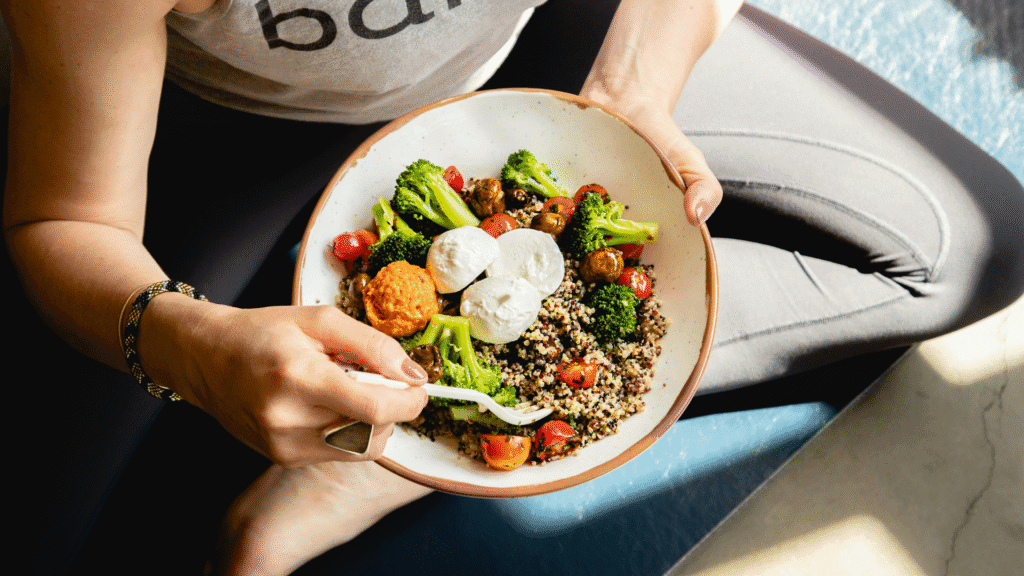
What we eat is one of the biggest determinants of our health. And often, digestive disruptions point us to something being “off”.
So if you’re experiencing irregular bowel movements, constipation, diarrhea, or other uncomfortable symptoms, changing what you eat (and what you don’t eat) can make a huge difference. But with so many different diets out there, and conflicting advice, how do you know what to change?
There are always differences based on bioindividuality, but I’m going to walk you through how to build your own best diet for healthy bowel movements (through better gut and overall health).
A Customizable Dietary Framework
In most cases, I don’t think any two people should be following the exact same diet. But there are a few general principles to keep in mind. Before we get into food lists, here are some of the most important components of a healthy eating framework for digestion.
- Strive for balance. Make sure your meals include a balance of clean protein, healthy fats, complex carbohydrates, and gut-supporting fiber.
- Aim for variety. The more different kinds of foods (especially plant foods) you can include on your plate, the better. I love to think about the different colors of foods, and try to incorporate as many of them as possible to get a broad range of nutrients.
- Always consider inflammation. Everything you eat can either reduce inflammation or increase it. Focus on whole, anti-inflammatory foods, and avoid processed, refined, sugary, or fried foods that increase inflammation.
- Always personalize. Everyone’s digestive system and immune system are different. If you hear about a food being celebrated for gut health, but it doesn’t make you feel good, it’s probably not right for your gut, at least not right now.
Gut-Friendly Foods to Include
Here are a few categories of digestion-friendly foods and how they can support gut health and better bowel movements. Remember that, depending on the current state of your gastrointestinal tract, some foods mentioned here may not be right for you. Always listen to your body.
High Fiber Foods
Fiber is known as a bowel movement-supporting food for a reason. Insoluble fiber, which doesn’t dissolve in water, helps with the consistency of your stool and moving it through the digestive system. And soluble fiber can help with diarrhea and loose stools by absorbing water and slowing digestive time.
Foods high in insoluble fiber include…
- Avocados
- Chia seeds
- Brussels sprouts
- Cauliflower
- Apples and pears (with the skin on)
- Beans and lentils (if tolerated)
- Flax seeds; sesame seeds
- Broccoli
- Aritchokes
- Almonds
Foods high in soluble fiber include…
- Peas
- Apples
- Avocados
- Broccoli
- Beans, lentils, chickpeas
- Flaxseeds, chia seeds
- Carrots
- Sweet potatoes
Probiotic Foods
Probiotic foods are superstars for gut health, containing live, beneficial bacteria to help you build or rebuild a robust, diverse gut microbiome. Look for fermented foods (or even ferment your own!) containing live and active cultures.
A couple of things to keep in mind: first, in addition to creating beneficial bacteria, the fermentation process also naturally leads to the production of histamine. This is fine for most people, but if you’re dealing with histamine intolerance or a related condition like mast cell activation disorder (MCAS), you may have difficulty tolerating these foods.
In these cases, it’s usually best to just get your probiotics from supplements while you work on reducing your histamine load.
The other thing to keep in mind is that just because a food is fermented and contains probiotics doesn’t mean it’s healthy. A clear example is flavored yogurts, which contain a ton of sugar and additives in addition to probiotics. If you’re purchasing packaged fermented foods, be sure to read the labels.
Probiotic foods include…
- Miso
- Kimchi
- Sauerkraut
- Tempeh
- Natto
- Kombucha
Prebiotic Foods
Prebiotic fibers including resistant starch act as “food” for healthy gut bacteria, which supports digestive and overall health. (1, 2)
These can be some of the most beneficial foods for digestion; however, for those with certain kinds of gut imbalances like SIBO (small intestinal bacterial overgrowth), they can worsen symptoms by feeding overgrown bacteria. SIBO often underlies IBS (irritable bowel syndrome) or chronic digestive issues, so if you’re actively working on healing, it may be best to start slow with prebiotic foods and see how you feel. (3)
Prebiotic foods include…
- Asparagus
- Leeks
- Apples
- Beans, lentils, and chickpeas
- Flaxseeds
- Garlic and onions
- Artichokes
- Bananas (especially unripe)
- Dandelion greens
READ MORE: The Best Prebiotic Foods For Your Gut Health
Anti-Inflammatory, Nutrient-Rich Plant Foods
Different kinds of fruits, vegetables, herbs, spices, and other plant foods work in their own unique ways to support overall health, supply nutrients, and generally speaking, lower inflammation. While these foods don’t always directly build or feed the gut microbiome the way probiotic and prebiotic foods do, they do support an overall balanced and healthy digestive system.
Anti-inflammatory, nutrient-rich plant foods include…
- Blueberries and other berries
- Pomegranate
- Dark, leafy greens including kale, spinach, and collards
- Ginger; turmeric
- Beets
- Carrots
- Broccoli, cauliflower, Brussels sprouts, and other cruciferous vegetables
- Lemons, oranges, and other citrus fruits
- Flaxseeds, chia seeds, hemp seeds
- Walnuts, almonds
Of course, this list is really endless. Try to choose a variety of colorful foods, ideally local and in season as much as possible.
Hydrating Foods and Drinks
Dehydration is more common than most people think, and it’s a very common cause of constipation (and other health issues).
Make sure to include lots of clean water, and incorporate hydrating, anti-inflammatory, nutrient-rich beverages like fresh pressed juices, smoothies, and herbal teas. And don’t forget about electrolytes like my Cellular Hydration Sticks I formulated with LongevityRX! owered by Celtic Sea Salt®, this whole unrefined mineral blend is synergistically combined with red marine algae, organic watermelon, coconut water, and celery to provide hydration from head-to-toe.
If you’re struggling with regularity, drinking a glass of warm or room temperature water first thing in the morning, optionally with a squeeze of lemon or a teaspoon of apple cider vinegar, can help to wake up your digestive system.
You can also get an extra boost of hydration from food, which is especially helpful when you’re losing a lot of water through sweating.
Hydrating foods include…
- Watermelon; cantaloupe
- Cucumbers
- Celery
- Strawberries
- Lettuce
- Spinach
- Tomatoes
READ MORE: The 15 Most Hydrating Foods And Beverages To Try This Summer
Healthy Fats
After many years of being wrongfully accused of all kinds of ills, healthy fats are finally starting to be more widely accepted as part of a balanced diet. But their level of importance continues to be overlooked. Healthy fats and omega-3 fatty acids are essential and incredibly beneficial for brain health, heart health, metabolism, digestive function, lowering inflammation, and more.
Sources of healthy fats include…
- Cold-water, fatty fish including salmon and sardines
- Avocados and avocado oil
- Coconut oil
- Extra virgin olive oil
- Nuts and seeds
- Eggs from free-range chickens; organic poultry
- Grass-fed beef
- Ghee
Bone Broth
Okay, I’m giving this one food a category of its own, because it’s basically unmatched when it comes to its ability to heal the gut lining (and its numerous other anti-inflammatory benefits).
I recommend bone broth to almost all of my patients, especially those with leaky gut or who are experiencing digestive and other symptoms that could indicate leaky gut. Bone broth is rich in collagen, gelatin, and glutamine, which help support the gut lining and reduce inflammation. (4)
It’s also nutrient-rich and hydrating, and great to have on hand for whenever you want a little cup or bowl of something warming and nourishing.
Your gut is too important to your overall health to be ignored.
Gut Health Guide

What to Avoid
Your eating plan for healthy bowel movements shouldn’t feel restrictive, and I’m going to keep this section shorter, because I want to emphasize how much healing you can do by including beneficial foods, not just avoiding more and more things.
There are really two categories of foods to avoid: foods that are inflammatory and problematic for just about everyone, and those that are inflammatory for you based on your bioindividuality. The latter can take some trial and error to figure out (and I’m going to talk about how to do that below), but I will share some of the more common food sensitivities to keep an eye out for.
The Most Inflammatory Foods to Avoid
These are the foods I would most recommend leaving out of your eating plan for optimal digestion, bowel movements, and overall health.
- Added and refined sugar
- Processed foods
- Refined carbohydrates
- Fried foods
- Industrial seed oils (canola, soybean, safflower)
- Alcohol
- Gluten-containing grains*
- Dairy products*
*Some people might disagree with me on these two. It’s certainly possible that someone might feel totally fine eating these foods, and my advice to listen to your body still stands. But in my experience, almost everyone feels better and experiences better digestive function and less inflammation when cutting out gluten and dairy.
Common Food Sensitivities and Intolerances
If you’re already eating a generally balanced, varied, and anti-inflammatory diet but still not having regular, healthy bowel movements, or experiencing other digestive symptoms, one possible cause is a hidden food sensitivity or intolerance to a generally healthy food. While these vary greatly, some of the most common sensitivities I see are:
- Gluten-free grains
- Eggs
- Legumes
- Nightshade vegetables
- Fermented foods
- Nuts and seeds
- High FODMAP foods
How to Test and Personalize Your Eating Plan
There are two main ways you can test, refine, and customize your diet for better bowel movements and digestion, and you can also use a combination of both.
Food Sensitivity Testing
The first is food sensitivity testing. This is most appropriate if you’re already eating a healthy diet and feel like something is missing or like there’s a trigger you just can’t pinpoint.
Food sensitivity tests analyze a blood sample for immune system mediated responses to specific kinds of foods. They can help to identify hidden triggers, but they do have a few limitations. First, they don’t look at all types of intolerances, so they can still miss the problem.
And sometimes they can be misleading — for example, if you see a whole bunch of healthy foods marked as sensitivities, it’s often a sign of general immune system reactivity — not a problem with the foods themselves. This can create confusion and fear of food if not interpreted properly.
Shop This Article

Dr. Will Cole's Personal Picks to Elevate Your Wellness

Elimination Diet
The second way to personalize your plan is to do an elimination diet, which really allows you to tune in and listen to your body first and foremost. To follow an elimination diet, you’ll start by eliminating any foods that may be problematic, and follow this diet for a few weeks to months.
Then, you’ll reintroduce individual foods, one at a time, monitoring how you feel. I highly recommend keeping a food journal so that you can track how you’re feeling. If you’re looking to improve your bowel movements specifically, you can create a bowel movement specific food journal! But it’s helpful to also take note of your energy levels and any other symptoms, as really everything can be related back to digestion.
If a food triggers symptoms, remove it again. If it doesn’t, include it. By the end, you’ll have come up with your own customized list of foods your body loves and which it doesn’t. I also recommend revisiting your elimination diet down the road, especially if you’re working on healing your gut. You’ll most likely be able to reintroduce more foods.
READ MORE: Elimination Diet Plan & Benefits: Is It Right For You?
Additional Considerations
Beyond the specific foods you incorporate, here are a few additional considerations to help you fine-tune your eating plan for digestive health.
- Consider timing. Eating a high fat, high fiber meal in the afternoon, and a lighter, earlier evening meal, aligns with our natural metabolic rhythms and supports better digestion. (5) I’m also a fan of intermittent fasting, which can be customized based on your individual needs and health profile.
- Breathe before you eat. For proper digestion, the body needs to be in its parasympathetic (rest and digest) mode, but too many of us are consistently eating in sympathetic (fight or flight) mode. When we’re in this stress mode, the body actually shuts off digestive functions to focus on the danger. Get in the habit of taking a minute to breathe deeply and bring yourself into a state of calm before you eat.
- Chew your food. Gut health issues can be complicated, but sometimes there are very small, simple things that are playing a significant role in digestive symptoms. One of them is not chewing thoroughly! We need to eat slowly and chew properly in order to properly absorb nutrients and stimulate the digestive system to produce and release digestive enzymes, and secrete digestive fluids like stomach acid.
- Consider supplements. Food is foundational, but a few key supplements can help support better bowel movements and gut health. Magnesium is a great option for many people, especially those with constipation (I use magnesium citrate in GI Move to help with regularity), and probiotics are hugely supportive for gut health overall (6).
Eat Your Way To Better Bowel Movements
I hope this guide helps you put together your own ideal eating plan for your gut, that still allows you freedom and some fun!
For more individualized guidance, including specialized testing as needed, you can also book a consultation with our functional medicine telehealth team. We are no strangers to talking about poop, and we’d be happy to help you.
As one of the first functional medicine telehealth clinics in the world, we provide webcam health consultations for people around the globe.
Image source: Unsplash.com
Sources
- Chen, Z., Liang, N., Zhang, H., Li, H., Guo, J., Zhang, Y., … & Shi, N. (2024). Resistant starch and the gut microbiome: Exploring beneficial interactions and dietary impacts. Food Chemistry: X, 21, 101118.
- Carlson, J. L., Erickson, J. M., Lloyd, B. B., & Slavin, J. L. (2018). Health effects and sources of prebiotic dietary fiber. Current developments in nutrition, 2(3), nzy005.
- Ghoshal, U. C., Shukla, R., & Ghoshal, U. (2017). Small intestinal bacterial overgrowth and irritable bowel syndrome: a bridge between functional organic dichotomy. Gut and liver, 11(2), 196.
- Matar, A., Abdelnaem, N., & Camilleri, M. (2025). Bone Broth Benefits: How Its Nutrients Fortify Gut Barrier in Health and Disease. Digestive Diseases and Sciences, 1-11.
- BaHammam, A. S., & Pirzada, A. (2023). Timing matters: the interplay between early mealtime, circadian rhythms, gene expression, circadian hormones, and metabolism—a narrative review. Clocks & Sleep, 5(3), 507-535.
- Mori, S., Tomita, T., Fujimura, K., Asano, H., Ogawa, T., Yamasaki, T., … & Miwa, H. (2019). A randomized double-blind placebo-controlled trial on the effect of magnesium oxide in patients with chronic constipation. Journal of neurogastroenterology and motility, 25(4), 563.
The information on this website has not been evaluated by the Food & Drug Administration or any other medical body. We do not aim to diagnose, treat, cure or prevent any illness or disease. Information is shared for educational purposes only. You must consult your doctor before acting on any content on this website, especially if you are pregnant, nursing, taking medication, or have a medical condition.
Our content may include products that have been independently chosen and recommended by Dr. Will Cole and our editors. If you purchase something mentioned in this article, we may earn a small commission.
Start Your Health Journey Today
FUNCTIONAL MEDICINE CONSULTATIONS FOR PEOPLE AROUND THE WORLD
