

Why “Ghost Probiotics” (Parabiotics) May Be the Next Big Thing In Gut Health
 Written By: Dr Will Cole
Evidence-Based Reviewed Article
Written By: Dr Will Cole
Evidence-Based Reviewed Article
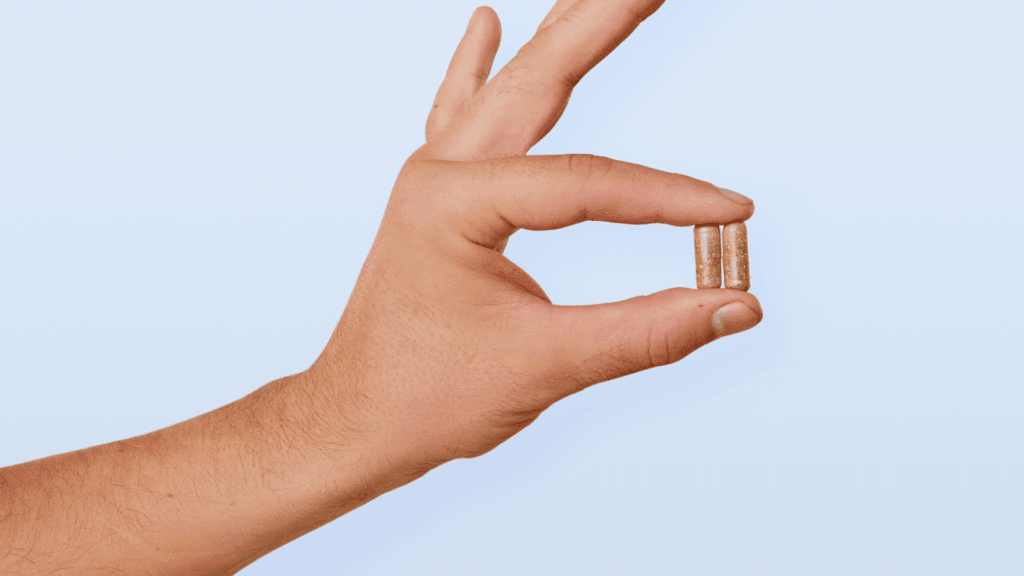
We’re constantly learning more about the importance of the gut microbiome for all areas of health, from digestive function and metabolic health to hormone regulation, mood, cognition, and overall healthspan. There’s no longer any question that gut health is absolutely foundational to our wellbeing.
We’ve long known that probiotics (beneficial live bacteria found in certain foods or as supplements) are a great way to support the gut microbiome. But we’re also learning about additional supportive methods.
One of the newer discoveries I’m most excited about is parabiotics, or “ghost probiotics”.
Research has found that it’s not just live bacteria but also “dead” probiotics (parabiotics) that can modulate immune system function, reduce inflammation, and support digestive and metabolic health. These inactive probiotics work in different ways from probiotics, and can also offer synergistic benefits alongside them.
What Are Parabiotics or Paraprobiotics?
Parabiotics, which go by many other names including paraprobiotics, ghost probiotics, heat-killed probiotics, non-viable probiotics, and inactivated probiotics, are defined as non-living forms of bacteria that can benefit human health. (1, 2)
Essentially, they’re the “dead” version of probiotics. As researchers have learned only recently, beneficial bacteria don’t always have to be live in order to influence our health. (3)
Parabiotics may include inactive microbial cells or cell fragments. As with probiotics, in order to be considered parabiotics they have to be shown to provide benefits.
In order to create supplemental parabiotics, live bacteria is generally inactivated using heat treatment (this is what the term “heat-killed” refers to). (4) However, other methods including gamma or ultraviolet irradiation are sometimes used.
Are Parabiotics Better Than Probiotics?
At this point, you might be wondering: why are we going to the trouble of heat-killing probiotics when we know that probiotics work? Are parabiotics better than probiotics?
While we don’t have nearly enough research to be able to answer this question in terms of the significance of health benefits (parabiotic research is still in its early stages, while we have a substantial body of evidence backing probiotics), there are certain advantages to parabiotics. First, because they don’t have to be kept alive like probiotics, they’re easier to make and distribute, and they generally last longer on the shelf. (5) And, for some people with digestive illness who may be more sensitive to probiotics, they may be easier to tolerate.
For most people, though, I’m not usually thinking about parabiotics as an alternative to or in comparison to probiotics; I’m thinking of the synergistic benefits of using both together.
While parabiotics offer several benefits that are similar to the benefits of probiotics, they do so in different ways. Probiotics directly engage with the gut microbiome, while parabiotics work largely through molecular signaling. Combining them as part of a comprehensive approach to gut health can help to cover multiple bases and I’ve seen this be a game changer.
Your gut is too important to your overall health to be ignored.
Gut Health Guide

Where Do Parabiotics Fit Into the -Biotic Landscape?
We’ve talked a bit about the differences between probiotics and parabiotics now, but what about… all of the other biotics? Here’s a quick overview of the key players.
Prebiotics are compounds that feed or act as fuel to beneficial bacteria in the gut.
Probiotics are live bacteria that provide health benefits to the host (that’s us).
Parabiotics are inactive or dead bacteria that provide health benefits to the host.
Postbiotics are the beneficial metabolic byproducts of probiotics or parabiotics (probiotics eat prebiotics and produce postbiotics).
Each of these types of biotics offer their own unique benefits, on their own or in combination with each other, where they form a comprehensive, full life cycle approach.
Benefits of Parabiotics For the Gut Microbiome and Beyond
While research is still in its early stages, studies have shown several possible benefits of parabiotics within and far beyond the gut microbiome.
Even though they’re not alive themselves, parabiotics as well as postbiotics have been shown to stimulate the growth of beneficial kinds of bacteria in the gut microbiome, including Lactobacilli and Bifidobacteria. (6) They can also help to inhibit the growth of harmful species of bacteria, supporting overall microbial balance.
Parabiotics can also help to regulate immune system function, reduce inflammation and the presence of inflammatory markers including IL-6 and TNF-a, and regulate T cells. (7, 8) They may help to prevent infections, reduce allergic reactions, and reduce autoimmune activity.
Through their influence on the gut microbiome, the immune system, and by strengthening the gut barrier, parabiotics have been shown to improve symptoms of gastrointestinal conditions including irritable bowel syndrome (IBS), inflammatory bowel disease (IBD), food sensitivities including lactose intolerance, intestinal lesions, and antibiotic-associated diarrhea. (9, 10)
There’s also been some very compelling research on parabiotics and postbiotics and their potential role in treating metabolic syndrome. (11, 12) The gut microbiome plays a huge role in metabolism and the development of metabolic syndrome, and parabiotics may be able to help with blood sugar management, insulin resistance, blood pressure management, cholesterol balance, oxidative stress, and obesity.
Parabiotics may also have neuroprotective effects, and can help support the gut-brain axis, mood, and cognition. There have also been studies showing benefits for skin conditions including atopic dermatitis (eczema), respiratory conditions, and liver health. (13, 14)
This is an impressive list but not an exhaustive one, and ongoing research will likely continue to find new benefits.
Synergistic Benefits of Combining Biotics
Instead of trying to choose between prebiotics, probiotics, postbiotics, and parabiotics, I like to err on the side of extra support and supplement with all four! This is made simple with Probiotic Trillion from Longevity Rx, which is the first trillion count probiotic blend that combines each of these gut health superstars.
I’ve seen incredible results working with this blend with patients at the telehealth functional medicine center, especially those who have been dealing with ongoing symptoms related to gut dysfunction, like sluggish detox, brain fog, fatigue, bloating, histamine intolerance, food sensitivities, or mood changes. Many people can really benefit from a more comprehensive approach that supports a robust gut microbiome across each stage of microbial life.
A New Era of Microbiome Support
I continue to be excited and impressed by the new studies coming out all the time on probiotics, prebiotics, and now, postbiotics and parabiotics. And with all of the elements of modern life that wear down our defenses, I think almost everyone can benefit from some extra microbiome support. And it’s pretty incredible that inactive bacteria can provide so many different benefits for the immune system, digestive system, metabolism, and more!
As one of the first functional medicine telehealth clinics in the world, we provide webcam health consultations for people around the globe.
Photo: Unsplash.com
Sources
- Lee, N. K., Park, Y. S., Kang, D. K., & Paik, H. D. (2023). Paraprobiotics: definition, manufacturing methods, and functionality. Food Science and Biotechnology, 32(14), 1981-1991.
- Aguilar-Toalá, J. E., Garcia-Varela, R., Garcia, H. S., Mata-Haro, V., González-Córdova, A. F., Vallejo
- Cordoba, B., & Hernández-Mendoza, A. (2018). Postbiotics: An evolving term within the functional foods field. Trends in food science & technology, 75, 105-114.
- de Almada, C. N., Almada, C. N., Martinez, R. C., & Sant’Ana, A. S. (2016). Paraprobiotics: Evidences on their ability to modify biological responses, inactivation methods and perspectives on their application in foods. Trends in food science & technology, 58, 96-114.
- Taverniti, V., & Guglielmetti, S. (2011). The immunomodulatory properties of probiotic microorganisms beyond their viability (ghost probiotics: proposal of paraprobiotic concept). Genes & nutrition, 6(3), 261-274.
- Nataraj, B. H., Ali, S. A., Behare, P. V., & Yadav, H. (2020). Postbiotics-parabiotics: The new horizons in microbial biotherapy and functional foods. Microbial cell factories, 19(1), 168.
- Fusco, W., Lorenzo, M. B., Cintoni, M., Porcari, S., Rinninella, E., Kaitsas, F., … & Ianiro, G. (2023). Short-chain fatty-acid-producing bacteria: key components of the human gut microbiota. Nutrients, 15(9), 2211.
- Li, N., Russell, W. M., Douglas-Escobar, M., Hauser, N., Lopez, M., & Neu, J. (2009). Live and heat-killed Lactobacillus rhamnosus GG: effects on proinflammatory and anti-inflammatory cytokines/chemokines in gastrostomy-fed infant rats. Pediatric Research, 66(2), 203-207.
- Hwang, C. H., Kim, K. T., Lee, N. K., & Paik, H. D. (2023). Immune-enhancing effect of heat-treated Levilactobacillus brevis KU15159 in RAW 264.7 cells. Probiotics and Antimicrobial Proteins, 15(1), 175-184.
- Kaur, S., Thukral, S. K., Kaur, P., & Samota, M. K. (2021). Perturbations associated with hungry gut microbiome and postbiotic perspectives to strengthen the microbiome health. Future Foods, 4, 100043.
- Rampengan, N. H., Manoppo, J., & Warouw, S. M. (2010). Comparison of efficacies between live and killed probiotics in children with lactose malabsorption. Southeast Asian J Trop Med Public Health, 41(2), 474-481.
- Li, S., Sohouli, M. H., & Li, Z. (2025). The effect of postbiotics supplementation on obesity and metabolic health: a systematic review and meta-analysis of randomized control trials. Nutrition & Metabolism, 22(1), 140.
- Franco, W. (2024). Postbiotics and parabiotics derived from bacteria and yeast: current trends and future perspectives. CyTA-Journal of Food, 22(1), 2425838.
- Moroi, M., Uchi, S., Nakamura, K., Sato, S., Shimizu, N., Fujii, M., … & Furue, M. (2011). Beneficial effect of a diet containing heat‐killed Lactobacillus paracasei K71 on adult type atopic dermatitis. The Journal of dermatology, 38(2), 131-139.
- Peng, G. C., & Hsu, C. H. (2005). The efficacy and safety of heat‐killed Lactobacillus paracasei for treatment of perennial allergic rhinitis induced by house‐dust mite. Pediatric allergy and immunology, 16(5), 433-438.
The information on this website has not been evaluated by the Food & Drug Administration or any other medical body. We do not aim to diagnose, treat, cure or prevent any illness or disease. Information is shared for educational purposes only. You must consult your doctor before acting on any content on this website, especially if you are pregnant, nursing, taking medication, or have a medical condition.
Our content may include products that have been independently chosen and recommended by Dr. Will Cole and our editors. If you purchase something mentioned in this article, we may earn a small commission.
Start Your Health Journey Today
FUNCTIONAL MEDICINE CONSULTATIONS FOR PEOPLE AROUND THE WORLD
