

Oxidative Stress 101: Practical Ways To Reset
 Written By: Dr Will Cole
Evidence-Based Reviewed Article
Written By: Dr Will Cole
Evidence-Based Reviewed Article
In our modern world, we have many different names for many different kinds of chronic disease. Symptoms and presentations can vary significantly, but the underlying drivers of illness are often the same.
One common root imbalance is oxidative stress, a term that often gets thrown around when people are talking about other drivers of disease like inflammation. Many of my telehealth functional medicine patients tell me they’ve heard of oxidative stress, but don’t really know what it is.
That’s why I want to break down exactly what oxidative stress is and what causes it, clear up a few misconceptions, and share some of the most effective ways to combat this imbalance without overcorrecting.
What Is Oxidative Stress?
Oxidative stress is a cellular imbalance between stable molecules called antioxidants and unstable molecules called free radicals.
The key word is “imbalance”. The body naturally produces both free radicals and antioxidants, and we need enough of both of them for healthy functioning.
Free radicals, a type of reactive oxygen species (ROS), are highly volatile molecules that help fight infections and disease and play an important role in cell signaling and exercise adaptation. (1)
The role of antioxidants is to neutralize free radicals—essentially to keep them in check and turn them “off” when needed. If left unchecked, they can cause significant harm and damage throughout the body.
That’s what happens with oxidative stress: we have more free radicals than we have available antioxidants to neutralize them, tipping us into a state of imbalance that sets the stage for disease.
Oxidative stress is naturally intertwined with chronic inflammation: the more oxidative stress you have, the more inflammation you will have, and the more inflammation, the more oxidative stress. We see this pattern at the root of chronic fatigue syndrome, long COVID, accelerated aging, and all kinds of chronic metabolic, neurological, mood, autoimmune, digestive, and other conditions. (2-6)
An imbalance can also occur in the other direction, with too many antioxidants and not enough free radicals for protection and cell signaling. But in our Western environment with all of its pro-oxidative, pro-inflammatory stressors, excess free radicals are much more likely.
Causes and Triggers of Oxidative Stress
So, what causes oxidative stress? There are many possible contributing factors and triggers, and part of our work with patients is determining which ones are most likely and relevant for an individual so that we can treat those root causes.
Anything that causes or increases inflammation or stress (psychological or physiological) can contribute to oxidative stress. Remember that inflammation fuels oxidative stress (and vice versa). Times of stress also cause us to use up more of our antioxidant supply.
Some of the most common causes and triggers of oxidative stress include:
- Environmental toxins and pollutants (7, 8)
- Chronic psychological stress (9)
- Poor diet; intake of processed foods and sugar; lack of nutrient-dense foods (10)
- Consumption of industrial seed oils
- Mold toxicity (11)
- Heavy metal buildup (12)
- Iron overload; excess copper, chromium, other minerals
- Alcohol intake
- Excess UV light
- Chronic infections
- Use of some medications
- Sedentary lifestyle; lack of exercise (13)
- Lack of sleep (14)
- Smoking cigarettes
- Gut microbiome imbalances
How to Prevent or Reduce Oxidative Stress
Optimal health starts at the cellular level, and reducing or preventing oxidative stress is essential for preventing and healing from chronic illness, and for longevity.
Here are some of my favorite practical strategies for restoring balance and lowering chronic inflammation by reducing oxidative stress.
Eat Antioxidant-Rich Foods
I always like to start with food. If you’re dealing with ongoing, chronic oxidative stress and illness, food isn’t always enough on its own to bring you back to balance—but it can do more than you might think, and it forms the foundation upon which you can add in other supports as needed.
The body produces some of its own antioxidants, but we also find lots of them in food. So, as part of a balanced, whole-foods based diet (remember that processed foods and refined carbohydrates are pro-oxidative and pro-inflammatory), including abundant and varied fruits and vegetables is an important step.
Healthy foods that contain or help the body produce antioxidants include:
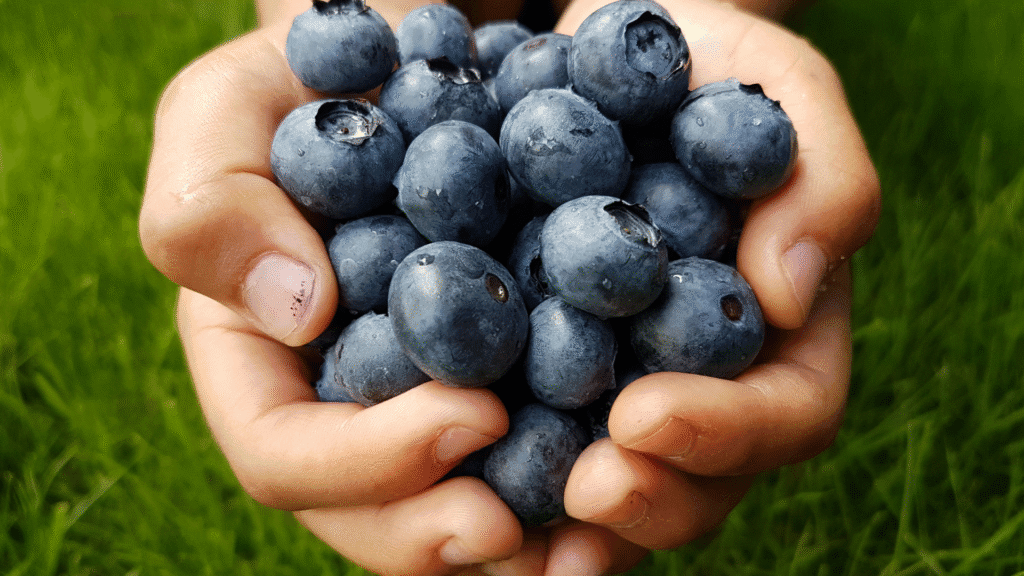
- Antioxidant-rich fruits: Blueberries, grapes, pomegranate, cranberries, goji berries, and apples are some of the best-studied choices.
- Foods containing astaxanthin: Astaxanthin is a reddish carotenoid found in salmon, algae, shrimp, and lobster. It can help to improve immune system function, protect the brain and heart, support skin health, and reduce oxidative stress. It’s also available in supplement form.
- Foods containing other carotenoids: These pigments give many foods their vibrant colors, and provide us with antioxidants. Pumpkin, squash, spinach, zucchinis, bell peppers, carrots, sweet potatoes, watermelon, kale, and egg yolks are a few carotenoid-containing foods.
- Quercetin-containing foods: Quercetin is a flavonoid with antioxidant properties found in apples, citrus fruits, capers, red onions, cherries, broccoli, blueberries, kale, and other foods.
- Sulforaphane-rich foods: Sulforaphane, found in many cruciferous vegetables including Brussels sprouts, kale, cauliflower, and broccoli, supports detoxification and helps the body produce the master antioxidant glutathione.
This is just a selection! My best tip here is to try to include as many different (natural) colors as you can in your grocery shop and on your plate.
In my telehealth clinic, I’m often asked about supplements—what to take, why, and which brands are best.
Supplement Guide

Add Supportive Antioxidant Supplements
Antioxidant supplements can be incredibly supportive, especially while you’re going through a particularly stressful time or working to heal a chronic illness. These supplements can help bring you back into balance, after which point they are ideally no longer necessary (or can be taken less frequently).
When it comes to antioxidant supplements, more is not always better. I usually recommend taking them intermittently rather than daily, or taking them for a shorter period of time. Long term use especially in higher doses can tip the body’s balance in the opposite direction, which can also be harmful.
With that in mind, here are some of the supplements I most recommend.
Glutathione
Glutathione is often (rightfully) referred to as the body’s “master antioxidant”. We make our own glutathione, but it gets depleted during times of stress and illness, and low levels of glutathione are associated with a myriad of chronic health issues. (15)
Supplemental glutathione can help us replenish our stores and get back into balance especially during specific periods of time like when feeling run down or burned out, or when recovering from a complex health condition.
One big challenge with glutathione supplements is that they degrade very easily, making most options on the shelves not very potent or effective. I recommend liposomal glutathione formulations, which are much more stable.
N-Acetylcysteine
N-acetylcysteine (NAC) converts to cysteine, a key precursor to glutathione (a compound that the body needs to produce glutathione), in the liver. For those who are recovering from stress, trauma, or illness, I often recommend both NAC and glutathione to really help cover all bases.
My supplement blend The Detoxer includes NAC and other liver- and antioxidant-supportive nutrients including milk thistle and B vitamins.
Antioxidant Supplement Blends
To supercharge your antioxidant intake, try a supplement blend made with food-derived sources of antioxidants. My blend The Antioxidant includes concentrated, whole-fruit extracts from some of the most antioxidant-rich fruits on the planet, including pomegranate, goji berry, blueberry, chokeberry, and mangosteen.
I also recommend Longevity RX Liv120, a cellular superfood blend containing health-promoting colors from around the world, including red ginseng, purple acai, orange reishi, blue turmeric, and others.
These kinds of blends don’t replace a diet rich in fruits and vegetables, but can give you an extra boost of antioxidant nutrients, including from some foods that are less easily accessible.
Herbal extracts from antioxidant-rich plants including parsley and dandelion can also be supportive, especially when dealing with toxin overload.
Mitochondrial Support
Mitochondrial dysfunction is another underlying driver of disease connected to both oxidative stress and chronic inflammation. (16) For optimal cellular health, we have to support our mitochondria, the energy-creating powerhouses of all of our cells.
Longevity RX MitoMultiply contains several methylated vitamins and mitochondria-supportive nutrients to help fuel your cells.
Quercetin
As mentioned in the food section, quercetin is a polyphenol, a type of antioxidant found in certain plants, which can help to lower inflammation and support cellular health. Quercetin is also a natural mast cell stabilizer, so we use it a lot for patients with mast cell activation syndrome (MCAS) and histamine intolerance. (17)
Shop This Article

Dr. Will Cole's Personal Picks to Elevate Your Wellness

Lifestyle Strategies
If you look at the (incomplete) list of things that can cause oxidative stress, of course, the more of those things you can avoid or reduce the better! But there are also things you can actively introduce into your life to help boost your cellular health. Here are some of the biggest needle movers when it comes to preventing and reducing oxidative stress.
- Enhance autophagy through intermittent fasting. Intermittent fasting, as well as ketogenic diets (I prefer a clean, mostly plant-based version as I detail in Ketotarian) can stimulate autophagy, our body’s cellular cleanup process, getting rid of old, damaged cells and generating new, healthy ones. Learn more about intermittent fasting here.
- Prioritize stress management and nervous system regulation practices. Whatever you can work into your daily routine that works for you: meditation, yoga, digital detoxes, mindfulness practices, nature walks, gratitude practices, and journaling are a few great options.
- Stay active. We all know how important exercise is for health, and reducing oxidative stress is one of its many benefits. Beyond a regular fitness routine, if you work at a desk, I highly recommend just getting up and walking around a bit or spending a few minutes stretching whenever you have a chance.
- Treat sleep as a non-negotiable. We need sufficient good quality sleep to detoxify, repair, and reduce inflammation.
- Reduce toxin exposure and buildup. Environmental toxins are among the biggest contributing factors to oxidative stress. Do what you can to reduce exposure by using clean household products and personal care products, filtering water, eating organic, and avoiding pesticides. I suggest working with a functional medicine practitioner if you have or think you may have a buildup of toxins from mold or heavy metals.
Beyond these lifestyle strategies, it’s essential to identify and address any individual factors like past trauma, persistent infections, or gut microbiome imbalances.
Addressing the Root Causes of Dysfunction
Getting oxidative stress under control is all about finding balance. It really all comes back to the wisdom of your body: everything is there for a reason, and both excesses and deficiencies are signals that something is wrong.
By addressing oxidative stress and inflammation, we can get to the root of so many different chronic health conditions. For more personalized guidance, please consider booking an appointment with our telehealth functional medicine team.
As one of the first functional medicine telehealth clinics in the world, we provide webcam health consultations for people around the globe.
Image source: Unsplash.com
Sources
- Chandimali, N., Bak, S. G., Park, E. H., Lim, H. J., Won, Y. S., Kim, E. K., … & Lee, S. J. (2025). Free radicals and their impact on health and antioxidant defenses: A review. Cell death discovery, 11(1), 19.
- Shankar, V., Wilhelmy, J., Curtis, E. J., Michael, B., Cervantes, L., Mallajosyula, V., … & Davis, M. M. (2025). Oxidative stress is a shared characteristic of ME/CFS and Long COVID. Proceedings of the National Academy of Sciences, 122(28), e2426564122.
- Asmat, U., Abad, K., & Ismail, K. (2016). Diabetes mellitus and oxidative stress—A concise review. Saudi pharmaceutical journal, 24(5), 547-553.
- Dash, U. C., Bhol, N. K., Swain, S. K., Samal, R. R., Nayak, P. K., Raina, V., … & Jena, A. B. (2025). Oxidative stress and inflammation in the pathogenesis of neurological disorders: Mechanisms and implications. Acta Pharmaceutica Sinica B, 15(1), 15-34.
- Shah, D., Mahajan, N., Sah, S., Nath, S. K., & Paudyal, B. (2014). Oxidative stress and its biomarkers in systemic lupus erythematosus. Journal of biomedical science, 21(1), 23.
- Sharifi-Rad, M., Anil Kumar, N. V., Zucca, P., Varoni, E. M., Dini, L., Panzarini, E., … & Sharifi-Rad, J. (2020). Lifestyle, oxidative stress, and antioxidants: back and forth in the pathophysiology of chronic diseases. Frontiers in physiology, 11, 552535.
- Gassman, N. R. (2017). Induction of oxidative stress by bisphenol A and its pleiotropic effects. Environmental and molecular mutagenesis, 58(2), 60-71.
- Araujo, J. A. (2011). Particulate air pollution, systemic oxidative stress, inflammation, and atherosclerosis. Air Quality, Atmosphere & Health, 4(1), 79-93.
- Aschbacher, K., O’Donovan, A., Wolkowitz, O. M., Dhabhar, F. S., Su, Y., & Epel, E. (2013). Good stress, bad stress and oxidative stress: insights from anticipatory cortisol reactivity. Psychoneuroendocrinology, 38(9), 1698-1708.
- Aleksandrova, K., Koelman, L., & Rodrigues, C. E. (2021). Dietary patterns and biomarkers of oxidative stress and inflammation: A systematic review of observational and intervention studies. Redox biology, 42, 101869.
- Doi, K., & Uetsuka, K. (2011). Mechanisms of mycotoxin-induced neurotoxicity through oxidative stress-associated pathways. International journal of molecular sciences, 12(8), 5213-5237.
- Patra, R. C., Rautray, A. K., & Swarup, D. (2011). Oxidative stress in lead and cadmium toxicity and its amelioration. Veterinary medicine international, 2011(1), 457327.
- Laufs, U., Wassmann, S., Czech, T., Münzel, T., Eisenhauer, M., Böhm, M., & Nickenig, G. (2005). Physical inactivity increases oxidative stress, endothelial dysfunction, and atherosclerosis. Arteriosclerosis, thrombosis, and vascular biology, 25(4), 809-814.
- Davinelli, S., Medoro, A., Savino, R., & Scapagnini, G. (2024). Sleep and oxidative stress: current perspectives on the role of NRF2. Cellular and molecular neurobiology, 44(1), 52.
- Hristov, B. D. (2022). The role of glutathione metabolism in chronic illness development and its potential use as a novel therapeutic target. Cureus, 14(9).
- Xu, X., Pang, Y., & Fan, X. (2025). Mitochondria in oxidative stress, inflammation and aging: from mechanisms to therapeutic advances. Signal Transduction and Targeted Therapy, 10(1), 190.
- Weng, Z., Zhang, B., Asadi, S., Sismanopoulos, N., Butcher, A., Fu, X., … & Theoharides, T. C. (2012). Quercetin is more effective than cromolyn in blocking human mast cell cytokine release and inhibits contact dermatitis and photosensitivity in humans. PloS one, 7(3), e33805.
The information on this website has not been evaluated by the Food & Drug Administration or any other medical body. We do not aim to diagnose, treat, cure or prevent any illness or disease. Information is shared for educational purposes only. You must consult your doctor before acting on any content on this website, especially if you are pregnant, nursing, taking medication, or have a medical condition.
Our content may include products that have been independently chosen and recommended by Dr. Will Cole and our editors. If you purchase something mentioned in this article, we may earn a small commission.
Start Your Health Journey Today
FUNCTIONAL MEDICINE CONSULTATIONS FOR PEOPLE AROUND THE WORLD
