

Functional Medicine, Vitamins + Herbs
Glutathione Benefits: How This Powerful Antioxidant Can Boost Longevity + Immune Health
 Written By: Dr Will Cole
Evidence-Based Reviewed Article
Written By: Dr Will Cole
Evidence-Based Reviewed Article
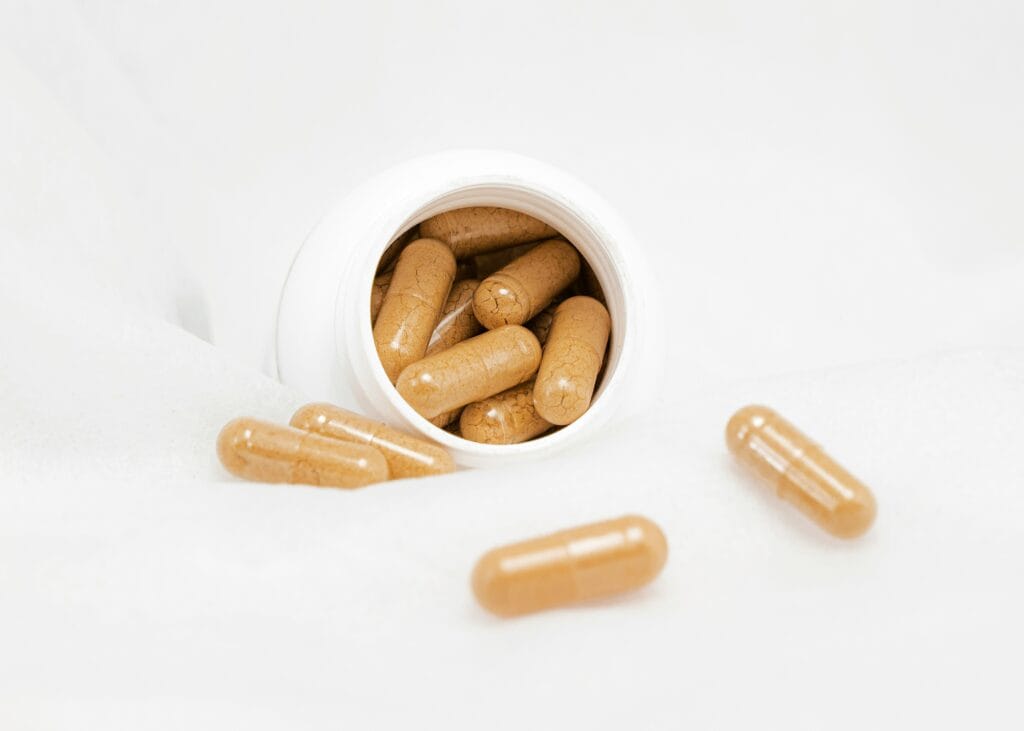
If you’ve spent any time in the health and wellness world, you’ve likely heard the buzz around glutathione. With so many trending supplements it can be hard to keep track of what’s legit and what’s trendy, but glutathione isn’t just another fad. Known as your body’s “master antioxidant”, your body already produces glutathione naturally and it plays a role in everything from protecting your cells from oxidative stress to supporting detoxification.
Unfortunately, there are many lifestyle factors that deplete glutathione levels, and without fully understanding glutathione benefits and what this antioxidant does for our health, we’re more likely to overlook this vital nutrient until it becomes a problem. As a functional medicine expert, my job is to educate people on how our bodies work and what we can do to promote long-term health and wellbeing. And starting with the nutrients your body already needs to thrive is one of the most foundational places to start. Let’s take a deeper look at what glutathione is, why it matters, and the research-backed benefits of supporting healthy glutathione levels.
What is glutathione?
When it comes to antioxidants, glutathione is a big deal. So much so it is known as the body’s “master antioxidant. It is made up of three amino acids — glutamine, glycine, and cysteine — and nearly every cell of your body produces glutathione. Due to its role as an antioxidant, glutathione is responsible for a variety of vital biological processes:
- Neutralizes oxidative stress
- Protects DNA from damage
- Supports liver detoxification
- Maintains healthy mitochondrial function
- Regulates immune system responses
- Reduces inflammation
- Assists cellular repair
- Supports healthy aging and anti-aging processes, helping to reduce the appearance of wrinkles
Since a large part of glutathione’s role has to do with protecting your cells — the “building blocks” of your body — researchers have linked low glutathione levels to everything from accelerated aging to liver disease. (1,2)
Meet glutathione: The master antioxidant
The reason glutathione has earned this nickname is because it protects virtually every cell from damage from oxidative stress. Oxidative stress occurs when there is an imbalance between free radicals and antioxidants at the cellular level. While free radicals themselves aren’t necessarily bad, the problem happens when your body produces more free radicals than your body has antioxidants to neutralize. When everything is working as it should, antioxidants like glutathione stop free radicals in their tracks before they can wreak havoc on healthy cells.
The problem happens though when your body burns through glutathione faster than it can replace it because it is constantly fighting oxidative stressors. In today’s world, we are constantly bombarded with lifestyle factors that trigger free radical production that your body just can’t keep up with. Some things that increase oxidative stress include:
- Pollution and environmental toxins (3,4)
- UV light
- Chronic stress (5)
- Poor diet (6)
- Mold toxicity (7)
- Poor sleep
- Lack of exercise (8)
- Smoking
- Environmental toxins
- Infections
Over time, this oxidative stress can damage your cells and drive up chronic inflammation — a key factor in cellular dysfunction. Studies have found that the longer cellular damage is allowed to occur, the more cellular function is impaired, giving way to the accumulation of even more damaged cells and accelerated aging. Needless to say, we shouldn’t overlook glutathione if we want to support our health in this constant stream of stressors for enhanced longevity.
Listen: Alcohol, Toxins & The Glutathione Gap: What You’re Not Being Told | Dr. Nayan Patel
Supplement Guide
In my telehealth clinic, I’m often asked about supplements—what to take, why, and which brands are best.

Glutathione benefits
Fighting oxidative stress isn’t the only thing glutathione does for us. In fact, glutathione has a wide range of benefits that tend to get overshadowed. While most of these benefits still go back to its role as an antioxidant, the targeted benefits go much further than what we once thought.
1. Supports detoxification
Your liver is one of your body’s largest organs, responsible for hundreds of important functions including digestion and metabolism. But one of its primary functions is to filter out toxins from the foods you eat and the things you are exposed to in your environment and is completed in two phases.
Glutathione is one of the driving forces behind phase II. During this phase toxins like heavy metals, environmental chemicals, pesticides, and alcohol byproducts, bind to glutathione and become water-soluble so your body can eliminate them through urine or bile. This is another reason why it’s important to maintain healthy glutathione levels, because without it detoxification becomes less efficient, causing toxins to build up, and more inflammation and oxidative stress to occur.
2. Boosts liver function
Fatty liver disease, or steatosis, is a condition characterized by fat accumulation in the liver. There are two main types — Alcohol-related liver disease caused by excessive alcohol consumption and Non-alcoholic fatty liver disease (NAFLD) that affects over 30% of people worldwide and has a few causes. (9) If left untreated, NAFLD can progress to conditions like cirrhosis, liver failure, or liver cancer. Thankfully, new research shows that glutathione may reduce cell damage in the liver and reverse chronic liver conditions like fatty liver disease. (10,11)
READ MORE: The Best Supplements To Take For Fatty Liver Disease + Natural Strategies To Heal
3. Improves insulin sensitivity
When the cells in your liver don’t respond to insulin, it can lead to your body using glucose from your blood instead. If left unchecked for too long, prediabetes and diabetes can develop. One study published in Applied Physiology, Nutrition, and Metabolism, found that after just three weeks of supplementing with oral glutathione, insulin resistance was significantly improved in people with and without type 2 diabetes, making it a promising tool for both diabetes prevention and treatment! (12)
4. Reduces Parkinson’s symptoms
Your brain is particularly sensitive to oxidative damage, which makes sense when you learn that researchers have linked neurodegenerative brain disorders like Parkinson’s disease to low levels of glutathione. To further back this connection, early studies show that correcting glutathione levels in people with Parkinson’s can help improve overall motor function — a hallmark symptom of this condition. (13)
5. Relieves inflammatory bowel disease
Emerging research has begun to shed light on what’s really driving symptoms of autoimmune disorders like inflammatory bowel disease and its associated conditions like Crohn’s disease and ulcerative colitis. As the name of this condition suggests, we know that inflammation is involved, but a 2020 study found that levels of glutathione were low specifically in the section of the colon where inflammation was present. (14) More research needs to be done on the relationship between inflammation and glutathione, but it gives us a clearer starting point in treating these conditions. Does inflammation impact glutathione levels or do low glutathione levels trigger inflammation? In my opinion, it’s likely a little bit of both.
6. Enhances immune function
One of the glutathione’s biggest roles is its ability to improve and maintain immune function in a few different ways. First, glutathione helps to maintain proper levels of cytokines, including mitigating pro-inflammatory cytokines like TNF-a and IL-6, so everything stays balanced. Glutathione is also involved in everything from the production to activation of T-Cells, which are your immune cells line of defense.
Natural sources of glutathione
If you don’t want to go straight to the supplement route (or want to address it from every angle) there are many ways that you can boost glutathione levels through food — both directly and indirectly.
1. Glutathione-containing foods
There are a lot of foods that naturally contain decent amounts of glutathione:
- Avocados
- Asparagus
- Spinach
- Okra
- Cucumbers
Just note that high temperatures can destroy glutathione so eating these raw or minimally cooked is ideal to preserve the most amount of glutathione.
2. Sulfur-rich foods
Sulfur is necessary for the synthesis of glutathione. Some of my favorite sulfur-rich foods include:
- Broccoli
- Brussels sprouts
- Cauliflower
- Cabbage
- Garlic
- Onions
3. Selenium-rich foods
Selenium is considered a co-factor for glutathione peroxidase and this nutrient can be found in relatively common foods:
- Brazil nuts
- Tuna
- Sardines
- Eggs
The best thing about selenium is that it is easy to meet your daily requirement of this nutrient. Just 1-2 Brazil nuts a day is enough and can be found at most grocery stores
4. Protein
Protein from animal sources like eggs, wild-caught fish, grass-fed beef, and chicken is also beneficial to include in your regular diet as they contain essential amino acids your body needs in order to produce glutathione.
Start Your Health Journey Today

Functional Medicine consultations for people around the world
How to take glutathione
Supplements can help boost glutathione, but most current studies focus on intravenous delivery vs. the oral kind. (14) One big challenge with glutathione supplements is that they degrade very easily, making most options on the shelves not very potent or effective. I recommend liposomal glutathione formulations, which offer superior bioavailability and are much more stable.
After working with patients, I found it difficult to find a high-quality glutathione supplement that I felt good about recommending — so I made my own liquid Liposomal Glutathione and Liposomal Glutathione capsules. Both are specially formulated to enhance absorption and support the body’s natural antioxidant processes. I love both, but I personally prefer the liquid Liposamal Glutathione when I am home since it needs to be refrigerated and take the capsules with me when I travel.
For those who are recovering from stress, trauma, or illness, I often also recommend N-acetylcysteine (NAC) alongside glutathione. Since NAC converts to cysteine, a key precursor to glutathione (a compound that the body needs to produce glutathione), in the liver taking both is a great way to really help cover all your bases.
Seeking help from a functional medicine expert
There’s no denying how important glutathione is for overall health and longevity. However, it isn’t necessarily something that everyone needs, at least in the same capacity. Some people may need a more targeted supplement dosage whereas others can get away with simply upping their intake of certain foods. This is where functional medicine comes in. In my telehealth functional medicine clinic we specialize in running labs to uncover your specific nutrient deficiencies to come up with a comprehensive plan that involves all aspects of your health — diet, supplements, lifestyle, and wellness tools. There is no “one-size-fits-all”, and even though we all need glutathione, it’s important to evaluate your unique needs to determine the best course of action for you.
As one of the first functional medicine telehealth clinics in the world, we provide webcam health consultations for people around the globe.
Photo: Unsplash.com
Sources
- Sekhar, R. V., Patel, S. G., Guthikonda, A. P., Reid, M., Balasubramanyam, A., Taffet, G. E., & Jahoor, F. (2011). Deficient synthesis of glutathione underlies oxidative stress in aging and can be corrected by dietary cysteine and glycine supplementation. The American journal of clinical nutrition, 94(3), 847–853. https://doi.org/10.3945/ajcn.110.003483
- Bianchi, G., Bugianesi, E., Ronchi, M., Fabbri, A., Zoli, M., & Marchesini, G. (1997). Glutathione kinetics in normal man and in patients with liver cirrhosis. Journal of hepatology, 26(3), 606–613. https://doi.org/10.1016/s0168-8278(97)80426-6
- Araujo, J.A. Particulate air pollution, systemic oxidative stress, inflammation, and atherosclerosis. Air Qual Atmos Health 4, 79–93 (2011). https://doi.org/10.1007/s11869-010-0101-8
- Gassman N. R. (2017). Induction of oxidative stress by bisphenol A and its pleiotropic effects. Environmental and molecular mutagenesis, 58(2), 60–71. https://doi.org/10.1002/em.22072
- Aschbacher, K., O’Donovan, A., Wolkowitz, O. M., Dhabhar, F. S., Su, Y., & Epel, E. (2013). Good stress, bad stress and oxidative stress: insights from anticipatory cortisol reactivity. Psychoneuroendocrinology, 38(9), 1698–1708. https://doi.org/10.1016/j.psyneuen.2013.02.004
- Aleksandrova, K., Koelman, L., & Rodrigues, C. E. (2021). Dietary patterns and biomarkers of oxidative stress and inflammation: A systematic review of observational and intervention studies. Redox biology, 42, 101869. https://doi.org/10.1016/j.redox.2021.101869
- Doi, K., & Uetsuka, K. (2011). Mechanisms of mycotoxin-induced neurotoxicity through oxidative stress-associated pathways. International journal of molecular sciences, 12(8), 5213–5237. https://doi.org/10.3390/ijms12085213
- Laufs, U., Wassmann, S., Czech, T., Münzel, T., Eisenhauer, M., Böhm, M., & Nickenig, G. (2005). Physical inactivity increases oxidative stress, endothelial dysfunction, and atherosclerosis. Arteriosclerosis, Thrombosis, and Vascular Biology, 25(4), 809–814. https://doi.org/10.1161/01.ATV.0000158311.24443.af
- Rinella, M. E., & Sookoian, S. (2024). From NAFLD to MASLD: updated naming and diagnosis criteria for fatty liver disease. Journal of lipid research, 65(1), 100485. https://doi.org/10.1016/j.jlr.2023.100485
- Santacroce, G., Gentile, A., Soriano, S., Novelli, A., Lenti, M. V., & Di Sabatino, A. (2023). Glutathione: Pharmacological aspects and implications for clinical use in non-alcoholic fatty liver disease. Frontiers in medicine, 10, 1124275. https://doi.org/10.3389/fmed.2023.1124275
- Honda, Y., Kessoku, T., Sumida, Y., Kobayashi, T., Kato, T., Ogawa, Y., Tomeno, W., Imajo, K., Fujita, K., Yoneda, M., Kataoka, K., Taguri, M., Yamanaka, T., Seko, Y., Tanaka, S., Saito, S., Ono, M., Oeda, S., Eguchi, Y., Aoi, W., … Nakajima, A. (2017). Efficacy of glutathione for the treatment of nonalcoholic fatty liver disease: an open-label, single-arm, multicenter, pilot study. BMC gastroenterology, 17(1), 96. https://doi.org/10.1186/s12876-017-0652-3
- Søndergård, S. D., Cintin, I., Kuhlman, A. B., Morville, T. H., Bergmann, M. L., Kjær, L. K., Poulsen, H. E., Giustarini, D., Rossi, R., Dela, F., Helge, J. W., & Larsen, S. (2021). The effects of 3 weeks of oral glutathione supplementation on whole body insulin sensitivity in obese males with and without type 2 diabetes: a randomized trial. Applied physiology, nutrition, and metabolism = Physiologie appliquee, nutrition et metabolisme, 46(9), 1133–1142. https://doi.org/10.1139/apnm-2020-1099
- Wang, H. L., Zhang, J., Li, Y. P., Dong, L., & Chen, Y. Z. (2021). Potential use of glutathione as a treatment for Parkinson’s disease. Experimental and therapeutic medicine, 21(2), 125. https://doi.org/10.3892/etm.2020.9557
- Kim, J. H., Ahn, J. B., Kim, D. H., Kim, S., Ma, H. W., Che, X., Seo, D. H., Kim, T. I., Kim, W. H., Cheon, J. H., & Kim, S. W. (2020). Glutathione S-transferase theta 1 protects against colitis through goblet cell differentiation via interleukin-22. FASEB journal : official publication of the Federation of American Societies for Experimental Biology, 34(2), 3289–3304. https://doi.org/10.1096/fj.201902421R
The information on this website has not been evaluated by the Food & Drug Administration or any other medical body. We do not aim to diagnose, treat, cure or prevent any illness or disease. Information is shared for educational purposes only. You must consult your doctor before acting on any content on this website, especially if you are pregnant, nursing, taking medication, or have a medical condition.
Our content may include products that have been independently chosen and recommended by Dr. Will Cole and our editors. If you purchase something mentioned in this article, we may earn a small commission.
Start Your Health Journey Today
FUNCTIONAL MEDICINE CONSULTATIONS FOR PEOPLE AROUND THE WORLD
