

7 Signs Your Probiotics Are Working (+ What To Do If You Don’t See A Difference)
 Written By: Dr Will Cole
Evidence-Based Reviewed Article
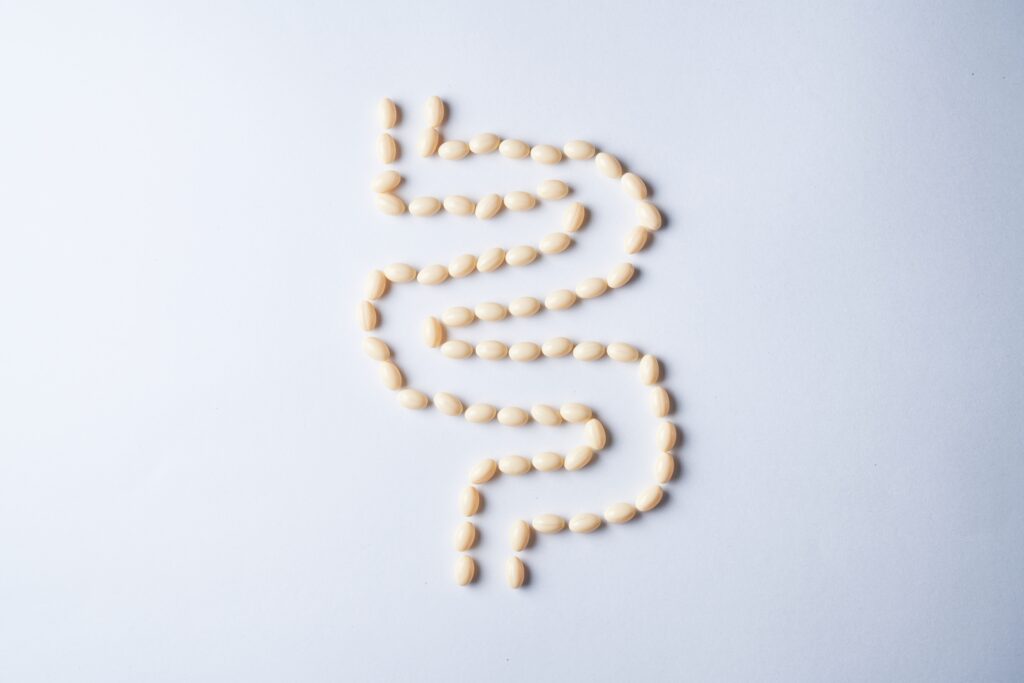
You found a science-backed probiotic, stocked your medicine cabinet, diligently took your daily dosage, but now what? Since your gut impacts almost every area of your health, probiotics are an essential way to ensure your gut is getting what it needs to thrive. That’s why probiotics are one of the foundational supplements that I recommend to almost every one of my patients in my telehealth functional medicine clinic.
So, if you’re paying attention, you will likely notice a few mild to significant changes in the way your body and mind function day to day. These are the most common signs your probiotics are working and exactly what to do if you aren’t seeing the difference you desired.
1. You’re more regular
Bowel regularity and better digestive health — leading to overall better digestion — are among the top reasons people reach for a probiotic, and for good reason. When a probiotic is working to overcome an onslaught of bad bacteria and restore optimal good bacteria levels in your gut, your entire digestive system has an easier time doing its thing. You may notice it’s easier to avoid constipation, have full daily bowel movements with less training, and achieve more consistent bowel habits even in the face of stress or travel.
If you struggle with diarrhea, constipation or any type of IBS (irritable bowel syndrome), make sure you’re doing your research and choosing a probiotic specifically formulated for those symptoms.
2. You’re not getting sick as often
If your probiotic is working as it should, it will help give your entire immune system a boost. (1) That means that your body will do a better job of fighting off pathogens it encounters, like the ones it gets from germy door knobs, coughing coworkers, and other bugs in your environment. While it’s all but inevitable you’ll still get sick from time to time, a well-supported gut microbiome and healthy gut microbiota should lessen the times per year you’re down for the count.
3. You’re less bloated with fewer tummy troubles
While avoiding constipation and IBS symptoms (see number 1) will help with bloating by extension, you may notice an additional benefits from your probiotic such as less bloating, cramping, or gas and being less reactive to stress, triggering foods, and other conditions that upset your stomach.
If your mild stomach issues improve, you can thank your probiotic. If symptoms don’t improve or worsen with unwanted side effects, consider diving deeper on the root cause of what is causing bloating and upset.
Gut Health Guide
Your gut is too important to your overall health to be ignored.

4. Your brain fog has lifted
A healthy gut, including one repaired and improved by a good probiotic, supports a healthy brain. Cognitive function, mental health, lower anxiety, and even memory can be improved through probiotic supplementation. (2) The gut-brain axis is a keystone of the body and brain health, meaning the two are inextricably linked in the efficacy of their function. If you notice work or school days are getting easier, you have a better mood, and you have less brain fog, your probiotic may be the driving factor.
LISTEN: Healing The Gut-Brain Axis Through Targeted Probiotics
5. Your skin is glowing
Did you know your skin accounts for about 15% of your total body weight? It’s your body’s largest organ and the one most exposed to environmental elements. You’ve heard of the gut-brain axis, but there is also an important gut-skin axis responsible for immune function and protection against infection. And while these systems function somewhat invisibly, the visual quality of your skin (complexion, tone, evenness, acne, eczema, wrinkles) are all signals of overall skin health. (3) When your gut-skin axis is adequately supported with the necessary bacteria, you may be able to notice an improvement to all the visual indicators of skin health.
6. You’re sleeping better
Research has shown that a good daily probiotic supplement can lead to significantly better sleep. (4) While the mechanisms of action are not yet fully understood, we know that good gut health improves brain and hormone health, which both play a huge role in sleep regulation and influence your sleep-wake cycle.
The upsetting truth is that the opposite is also true and can become cyclical. Bad sleep can lead to worsened gut health which can lead to even worse sleep quality. A great way to intervene in this cycle, should you find yourself struggling with it, is to reach for a good probiotic and take your sleep hygiene seriously.
7. You may be (finally) losing weight
It’s frustrating, but true. Poor gut health might be what is preventing you from losing weight.
Gut dysbiosis, whether triggered by poor diet or past use of antibiotics, can throw everything out of whack, including metabolism, the way your digestive system triggers hunger, satiety hormones, and metabolic function. Science and research support the idea that a healthy gut is essential for maintaining a healthy weight. (5) If you’re taking a probiotic that is helping to correct some of this dysfunction, it may very well be the shift that allows your other weight loss interventions, like diet and exercise, to finally begin showing results.
What If You Don’t Notice Anything?
If you’re not noticing drastic or even noticeable changes in your body after taking a probiotic, don’t panic. Especially in otherwise healthy people, this is totally normal and doesn’t mean there aren’t invisible improvements happening behind the scenes.
There are also many factors that go into choosing the right probiotic. Everything from the type of strain you take to the brand itself, can influence how effective a probiotic is on your health and you may not be taking the right probiotic for you. Here are a few things to consider:
- Type of strains: There are hundreds (if not thousands) of strains of bacteria, including members of the Lactobacillus, Bacillus, and Bifidobacterium genus, with different ones shown to be more beneficial for certain conditions.
- Delivery method: Capsules are the most common way to take probiotics, but these can be harsh on your gut if you are already dealing with digestive issues. Instead, you may want to opt for probiotics in power or liquid form.
- CFU count: Short for colony-forming unit, this term refers to the number of bacterial cells in each serving that are bioavailable to your gut. You may benefit from a probiotic with more CFUs.
- Ingredients: Some probiotics can contain unnecessary added preservatives or ingredients that are perpetuating gut dysfunction rather than healing it.
With that said, if there is a specific issue you are hoping to address or several symptoms you’re looking to manage, it is best to approach probiotic selection and symptom monitoring with an expert who knows which brands and probiotic strains will work best for your unique health needs.
SHOP: With so many brands on the market, it can be difficult to determine which ones are best. That’s why I formulated The Probiotic with 100 billion CFUs per capsule and four strains of beneficial bacteria, including the extensively studied HN019 strain of Bifidobacterium lactis. This foundational probiotic is designed to help restore microbiome balance, boost immunity, and enhance overall health.
You can also level-up your daily probiotic supplement with LongevityRX’s Probiotic Trillion — a 4-in-1 gut health formula featuring prebiotics, probiotics, postbiotics, and parabiotics. Powered by fast-acting spore-based strains like Bacillus subtilis AB-22, it helps reduce inflammation, restore gut lining integrity, and support immune resilience.
Functional medicine strategies for a healthier gut
Your gut health is of the utmost importance when it comes to optimal health, so focusing on improving your gut is a good idea no matter where you are on your health journey. Here are a few things to consider in addition to finding and taking a quality probiotic.
Prebiotics
Probiotics are important but they are just one piece of the puzzle. While probiotics are live microorganisms and beneficial bacteria that reintroduce new strains into your gut, prebiotics act as a source of food for your gut’s healthy bacteria so they can multiply. Prebiotics are a form of dietary fiber found in certain foods like apples, bananas, garlic, and chicory root that are digested slower by your body.
Fermented foods
Fermented foods are excellent probiotic sources. Yogurt, kefir, miso, and kombucha are just some of the foods you can keep in your fridge for a healthy daily dose of food probiotics.
Start Your Health Journey Today

Functional Medicine consultations for people around the world
An elimination diet
One of the most effective ways to reset your gut is with the foods you eat on a daily basis. An elimination diet is my gold standard for uncovering hidden food intolerances and sensitivities that are causing gastrointestinal distress and inflammation.
Bone broth
Bone broth is full of collagen and minerals that can soothe and repair a damaged gut. Research shows bone broth acts as a powerful anti-inflammatory to help provide relief from inflammatory gut problems like ulcerative colitis.
Cooked foods
Raw foods can be difficult to digest, whereas cooked foods decrease the amount of work your digestive system needs to do to break down food.
READ MORE: How To Heal Your Gut: A Functional Medicine Guide To Restoring Microbiome Health
Bringing it all together
Gut health can be incredibly complex. A healthy gut requires the harmonious interaction of hundreds of trillions of bacterial cells. Attempting to heal your gut alone can be frustrating and in some cases may even make the problem worse. Consulting an expert is one of the best ways to start reclaiming your gut and overall health.
If you suspect that gut problems are behind your digestive symptoms, brain fog, skin problems or sleep troubles, schedule a telehealth consultation today to learn more about how we can help you using functional medicine.
As one of the first functional medicine telehealth clinics in the world, we provide webcam health consultations for people around the globe.
Photo: Shutterstock
How long after taking probiotics will I notice a difference?
In some instances, a probiotic can start to relieve certain gut-related symptoms in a few days. But to improve overall health and restore balance to systems, give your probiotic a few months to really work their magic for long-term, sustainable healing.
Can probiotics cause constipation or other side effects?
The wrong type of probiotic or dosage can indeed cause constipation, diarrhea, and general digestive upset. This is why it is important to introduce any new supplement under the guidance of a trusted health professional.
What will happen if I start taking probiotics every day?
Ideally you will start to notice an improvement in any nagging symptoms you have been experiencing whether that is related to digestive distress, cognitive function, mental health, or skin problems.
What are the signs that my gut is healing?
Since your gut impacts your overall health, you can start seeing improvements in multiple areas. Some signs that your gut is healing is that you experience less digestive upset (constipation, bloating, gas, diarrhea), are sleeping better, your skin is clearer, you have less brain fog and better concentration, you’re able to lose weight and keep it off, and you get sick less often.
Sources
- Ashraf, R., & Shah, N. P. (2014). Immune system stimulation by probiotic microorganisms. Critical reviews in food science and nutrition, 54(7), 938–956. https://doi.org/10.1080/10408398.2011.619671
- Griffin, S. M., Lehtinen, M. J., Meunier, J., Ceolin, L., Roman, F. J., & Patterson, E. (2023). Restorative effects of probiotics on memory impairment in sleep-deprived mice. Nutritional Neuroscience, 26(3), 254–264. https://doi.org/10.1080/1028415X.2022.2042915
- Gao, T., Wang, X., Li, Y., & Ren, F. (2023). The Role of Probiotics in Skin Health and Related Gut-Skin Axis: A Review. Nutrients, 15(14), 3123. https://doi.org/10.3390/nu15143123
- Chu, A., Samman, S., Galland, B., & Foster, M. (2023). Daily consumption of Lactobacillus gasseri CP2305 improves quality of sleep in adults – A systematic literature review and meta-analysis. Clinical nutrition (Edinburgh, Scotland), 42(8), 1314–1321. https://doi.org/10.1016/j.clnu.2023.06.019
- Noor, J., Chaudhry, A., Batool, S., Noor, R., & Fatima, G. (2023). Exploring the Impact of the Gut Microbiome on Obesity and Weight Loss: A Review Article. Cureus, 15(6), e40948. https://doi.org/10.7759/cureus.40948
The information on this website has not been evaluated by the Food & Drug Administration or any other medical body. We do not aim to diagnose, treat, cure or prevent any illness or disease. Information is shared for educational purposes only. You must consult your doctor before acting on any content on this website, especially if you are pregnant, nursing, taking medication, or have a medical condition.
Our content may include products that have been independently chosen and recommended by Dr. Will Cole and our editors. If you purchase something mentioned in this article, we may earn a small commission.
Start Your Health Journey Today
FUNCTIONAL MEDICINE CONSULTATIONS FOR PEOPLE AROUND THE WORLD
