

Can Probiotics Cause Diarrhea? Exploring The Surprising Reasons Behind Digestive Side Effects
 Written By: Dr Will Cole
Evidence-Based Reviewed Article
Written By: Dr Will Cole
Evidence-Based Reviewed Article
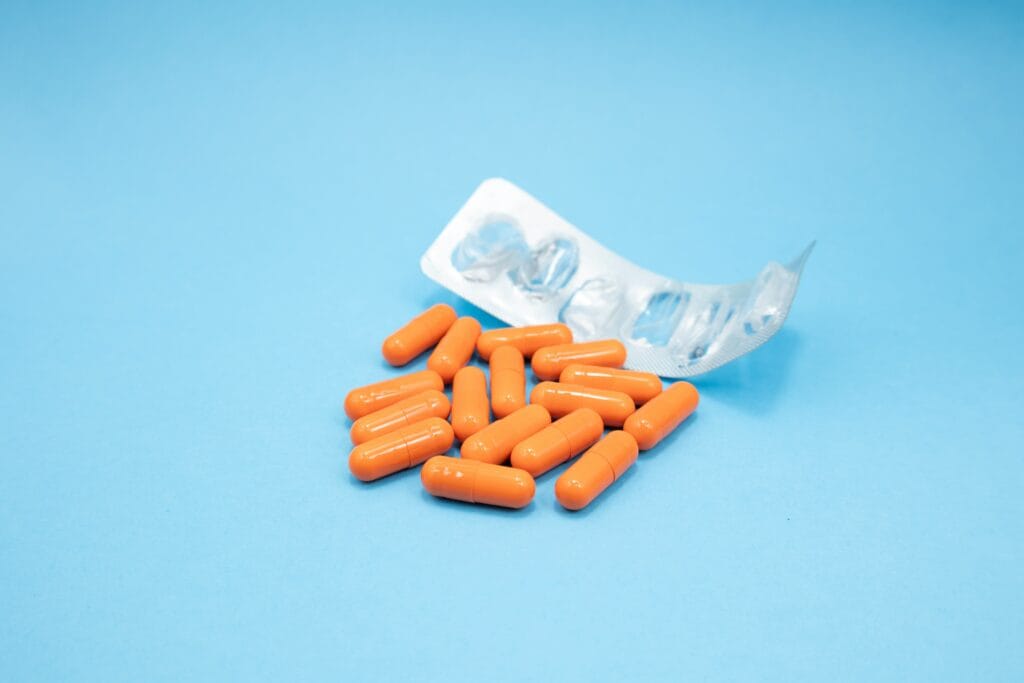
As a functional medicine practitioner, I am no stranger to probiotics. In fact, probiotics are one of the top foundational supplements that I recommend to pretty much everyone regardless of what symptoms you are or are not dealing with. That’s because the health of your gut plays a role in every aspect of your health from your brain to your immune system.
But what happens when your probiotics don’t deliver the results that they promised? If you’ve recently started taking a probiotic only to find yourself making more trips to the bathroom than usual, you’re not alone. It’s one of the most common questions I hear in my functional medicine clinic — can probiotics cause diarrhea? The answer is both yes and no. Let’s take a look at what probiotics are, what’s really happening inside of your gut, and exactly why probiotics could be the reason behind your sudden change in bathroom habits.
What are probiotics?
Your gut microbiome contains trillions of different microorganisms like bacteria, yeast, and fungi that influence almost every aspect of your health from your weight to your immunity. In order to maintain a healthy microbiome, you want to ensure that your gut has a diverse range of different beneficial bacterial strains.
While these beneficial microorganisms are naturally present in our guts, there are many external factors that can disrupt the delicate balance of your microbiome (also known as bacterial dysbiosis) including stress, antibiotics, and poor dietary choices. Probiotics are supplements that contain strains of these beneficial microorganisms that work to either maintain a healthy balance of bacteria or replenish good bacteria to fight against any opportunistic overgrowths or bacterial infections.
There are many different types of probiotics, each with their own unique benefits depending on your particular health goals:
- Traditional probiotics: Formulated with live bacteria and microorganisms and contain specific bacterial strains that have been extensively studied for their positive impact on gut health.
- Soil-based probiotics: Contain microorganisms naturally found in soil. Researchers believe these mimicking the ancestral exposure humans had to diverse soil microbes and can therefore enhance our microbiome health.
- Spore-based: Formulated with dormant bacterial spores, these activate when they reach your gut transforming into live, beneficial bacteria, making them a great option for people looking for more targeted, stable probiotic supplementation.
Although the type of bacteria, formulation, and delivery method of probiotics supplements can vary, the goal of all probiotics is the same — to reinoculate your gut with beneficial bacteria to correct and prevent bacterial overgrowths.
Gut Health Guide
Your gut is too important to your overall health to be ignored.

Why can probiotics cause diarrhea?
Here’s where it gets a little confusing. If the whole goal of taking probiotics is to improve gut health, why then would probiotics cause diarrhea? While it is true that probiotics will improve your microbiome health and subsequent symptoms long term, there can still be an adjustment period up front.
Not everyone will experience diarrhea when taking probiotics, especially for a prolonged period of time. Studies have shown that people taking probiotics had a 17% lower chance of experiencing diarrhea, gas, and other symptoms of digestive distress. (1) If anything, you may actually be experiencing normal bowel movements for the first time. Since probiotics can help improve constipation, if this was something you were struggling with before taking probiotics, your softer stools may come as a shock at first.
But if you are one of the few people who are experiencing true diarrhea, there are a few possible explanations as to why.
1. Histamine intolerance
Certain bacterial strains have been shown to naturally produce histamine such as Lactiplantibacillus plantarum. (2) If you have histamine intolerance your body either produces too much histamine or does not produce enough enzymes to break down histamine, resulting in symptoms like headaches, itching, congestion, and diarrhea. Taking the wrong probiotic with histamine intolerance could be the reason you are constantly running for the bathroom.
2. SIBO
Small Intestinal Bacterial Overgrowth occurs when bacteria from your makes its way into the small intestine where it doesn’t belong. This can happen for various reasons, including low stomach acid, medications, or decreased function of the migrating motor complex (MMC) which is responsible for pushing bacteria down into the large intestine (3). Until this condition is under control, adding in more bacteria (even beneficial strains) can further perpetuate common SIBO symptoms like gas, bloating, constipation, abdominal pain, cramping, and diarrhea. This doesn’t mean that all probiotics are off the table, you may just need to work alongside a functional medicine practitioner to help identify the best probiotic and dosage for you.
3. Prebiotics
Certain probiotics also contain prebiotics, a form of dietary fiber found in certain foods that act as a source of food for your gut’s healthy bacteria so they can multiply. Prebiotics produce a byproduct known as short-chain fatty acids (SCFAs) as a result of fermentation inside of your gut. These short-chain fatty acids further maintain a healthy digestive system by supporting immune function and healthy inflammation levels. But if your body isn’t used to them, this rapid increase in short-chain fatty acids can result in multiple symptoms of digestive distress including gas, bloating, and yes, diarrhea. Some of the most commonly used prebiotics to be aware of are inulin and chicory root fiber.
If none of these are a factor for you, the reason you are having diarrhea could also be as simple as the fact that your microbiome is shifting. When new bacteria is introduced into your gut, bacteria compete for nutrients, fermentation patterns change, and new metabolites are produced, which can all result in temporary digestive upset and diarrhea.
LISTEN: Hannah Kleinfeld: Healing The Gut-Brain Axis Through Targeted Probiotics
Should you stop taking probiotics if you have diarrhea?
If you start taking probiotics and have some diarrhea, don’t be alarmed. This is more often than not a normal reaction as your body adjusts to the influx of good bacteria in your gut, and it can take anywhere from a couple of days to a couple weeks for your body to get back to normal. However, if you have diarrhea that lasts longer than a couple of weeks and is accompanied by abdominal pain, blood in your stool, or fevers — which could indicate inflammatory bowel disease like Crohn’s disease — it’s time to seek out medical care.
It’s also important to note that prolonged diarrhea could be a sign that you aren’t taking the right probiotic for you. Here are a few things to consider when choosing a probiotic:
- Strain types: Different probiotic strains have specific benefits. For example, Lactobacillus acidophilus may be beneficial for those with lactose intolerance, while Bifidobacterium bifidum may support immune function. (4,5) If you aren’t taking the most beneficial strain for your symptoms, especially if you are already experiencing diarrhea, you aren’t going to notice the same level of symptom improvement.
- Dosage: If you’ve ever looked at probiotics before, chances are you’ve seen the term “CFUs” listed on the packaging. This stands for colony-forming unit and represents the estimated number of bacterial cells in each serving that are bioavailable and able to thrive in your gut. If you have any underlying gut dysfunctions like SIBO, candida overgrowth, irritable bowel syndrome (IBS), or leaky gut syndrome, you may need a higher dose than someone looking to maintain an already healthy gut. Diarrhea could be a sign that your gut is overwhelmed and your dosage is too high.
- Delivery method: Probiotics are most often found in capsules. But for those with certain health problems capsules could be too harsh on your gut and contribute to symptoms like diarrhea. Alternative forms like liquids and powders can be easier on your gut and digestive system until you reach a point in your healing journey where you can tolerate capsules.
Working with a functional medicine practitioner who has access to gut microbiome testing can be a great resource to uncover what is actually going on underneath the surface. Doing so they can help determine the best probiotic for you instead of having to guess and throw money away trying out various brands.
SHOP: I designed The Probiotic with the understanding that not all supplements are created equal and not everyone is able to work directly with a functional medicine practitioner. Formulated with 100 billion CFUs per capsule, The Probiotic contains four strains of beneficial bacteria, including the extensively studied HN019 strain of Bifidobacterium lactis for restored microbiome balance, boosted immunity, and enhanced overall health. The Probiotic is sealed in nitrogen-purged aluminum blister packs to protect the bacteria from heat, moisture, and oxygen with each capsule packaged in gastro-resistant capsules to ensure a more targeted release.
How to alleviate the effects of probiotic diarrhea
When starting a probiotic, you don’t have to tough it out. There are many things you can do to mitigate diarrhea or other symptoms of digestive distress while your body acclimates to a new normal.
1. Assess your diet
Even though fiber is important for a healthy gut (it can also help bulk up loose stools), we’ve also learned what can happen if your gut is overwhelmed with prebiotic fiber during this period of microbial adjustment. Be aware of how much fiber you are eating in a day and either increase or decrease your intake as you listen to your body.
Fermented foods like sauerkraut, kimchi, and kefir also contain beneficial probiotics, but may be too much to include in your daily diet until your symptoms die down.
2. Time your probiotics
Taking probiotics on an empty stomach can trigger digestive symptoms or make them worse. Even if your probiotic recommends taking it on an empty stomach, it is ok to switch it up and take it with food to help alleviate symptoms.
3. Rotate your probiotics
In addition to timing your probiotics differently, you may also want to consider rotating the type of probiotic you are taking. As we discussed earlier, various strains and types of probiotics target different areas of your health. To elevate the probiotic experience I formulated LongevityRX Probiotic Trillion, a 4-in-1 gut health formula featuring prebiotics, probiotics, postbiotics, and parabiotics.
Powered by fast-acting spore-based strains like Bacillus subtilis AB-22, it helps reduce inflammation, restore gut lining integrity, and support immune resilience — all things that need a little boost during this transitional healing period. In fact, 80% of people reported improved digestion and regularity and 79% felt less bloated after meals. Consider rotating this in alongside your regular probiotic for half of the month to start.
4. Cut back your dosage
You don’t have to go all in right away. Instead of taking the full dose, cut back until your symptoms subside and then slowly increase back to the recommended dosage.
Shop This Article

Dr. Will Cole's Personal Picks to Elevate Your Wellness

5. Stay hydrated
Diarrhea can lead to dehydration which has its own set of side effects that can make it more difficult for your body to adjust to this change. Up your water intake and bring in electrolytes to replenish what you have lost. I personally love LongevityRX Cellular Hydration sticks that are formulated with Celtic Sea Salt®, red marine algae, organic watermelon, coconut water, and celery to support your body’s ideal electrolyte balance without any added sugar.
The Takeaway
If you do happen to experience diarrhea from your probiotics don’t panic. It is completely normal and can be seen as a positive if you understand that your gut microbiome is undergoing an important and beneficial shift. But if you still aren’t seeing the results that you had hoped from your probiotic, it could be time to seek out more specialized care. In my telehealth functional medicine clinic, we specialize in running comprehensive labs to uncover the root cause behind gut dysfunction in order to determine what probiotics, dietary supplements, and other nutritional supplements are right for you.
As one of the first functional medicine telehealth clinics in the world, we provide webcam health consultations for people around the globe.
Photo: Unsplash.com
Sources
- Goldenberg JZ, Yap C, Lytvyn L, Lo CKF, Beardsley J, Mertz D, Johnston BC. Probiotics for the prevention of Clostridium difficile‐associated diarrhea in adults and children. Cochrane Database of Systematic Reviews 2017, Issue 12. Art. No.: CD006095. DOI: 10.1002/14651858.CD006095.pub4. Accessed 05 August 2026.
- Cavaliere, G., Costanzi, E., Cenci-Goga, B., Misuraca, M., & Traina, G. (2025). Potential Role of Probiotic Strain Lactiplantibacillus plantarum in Control of Histamine Metabolism. Biology, 14(6), 734. https://doi.org/10.3390/biology14060734
- Sorathia SJ, Chippa V, Rivas JM. Small Intestinal Bacterial Overgrowth. [Updated 2023 Apr 17]. In: StatPearls [Internet]. Treasure Island (FL): StatPearls Publishing; 2026 Jan-. Available from: https://www.ncbi.nlm.nih.gov/books/NBK546634/
- Oliveira, L. S., Wendt, G. W., Crestani, A. P. J., & Casaril, K. B. P. B. (2022). The use of probiotics and prebiotics can enable the ingestion of dairy products by lactose intolerant individuals. Clinical nutrition (Edinburgh, Scotland), 41(12), 2644–2650. https://doi.org/10.1016/j.clnu.2022.10.003
- Gavzy, S. J., Kensiski, A., Lee, Z. L., Mongodin, E. F., Ma, B., & Bromberg, J. S. (2023). Bifidobacterium mechanisms of immune modulation and tolerance. Gut microbes, 15(2), 2291164. https://doi.org/10.1080/19490976.2023.2291164
The information on this website has not been evaluated by the Food & Drug Administration or any other medical body. We do not aim to diagnose, treat, cure or prevent any illness or disease. Information is shared for educational purposes only. You must consult your doctor before acting on any content on this website, especially if you are pregnant, nursing, taking medication, or have a medical condition.
Our content may include products that have been independently chosen and recommended by Dr. Will Cole and our editors. If you purchase something mentioned in this article, we may earn a small commission.
Start Your Health Journey Today
FUNCTIONAL MEDICINE CONSULTATIONS FOR PEOPLE AROUND THE WORLD
